When the Angle Changes: A Field Test for Ethical Bowhunting Decisions
Navigating Ethical Bowhunting Decisions, in Changing Situations
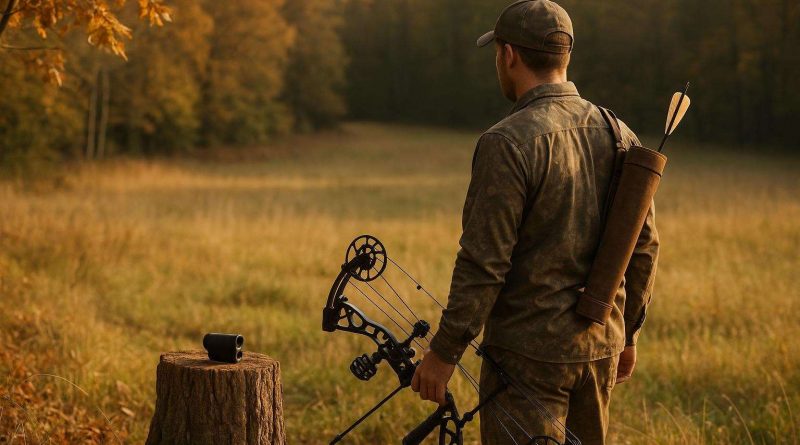
When a deer appears in what seemed like a shooting lane the situation can change quickly. One moment the bow is ready for a release and the next a branch blocks the animals half. This moment of confusion is important; hunters must think about if a shot can be taken. If it remains fair allowed by the law and if it will lead to a good recovery. These quick decisions depend on ethics in bowhunting, which shows how important it is to be well prepared and aware of the changing conditions out in the field.
Understanding the Fluidity of Shooting Lanes
A shooting lane is not just either open or closed. It depends on a number of things like the height of the animal the angle of the shot and what's behind the target. A branch that seems to clear the sight may still block the arrows path while tall grass can hide where the arrow hits. It is important to ask questions before taking a shot: Can you clearly tell the animal is the one you want? Can you be sure of the spot you are aiming at. Will you be able to see where the arrow lands? If there is any doubt it is better to lower the bow and wait for a chance.
Also the behavior of the animal affects the decision. If the deer moves turns its head or looks alert the angle of the shot can change. It is important to not shoot just because the animal's at a place that seems like an opportunity. Being patient will lead to choices when bowhunting.
The Importance of a Pause
Before lifting your bow take a moment to stop and think. Create a list you can go through without feeling in a rush:
– Are you sure about the type of animal and the papers you need?
– Do you know the distance enough to feel good about your setup?
– Has the place you want to aim been checked for a good path and enough room for mistakes?
– Is your shooting lane clear all the way to the target with a safe space behind?
– If you hit the animal can you reach the area to find it easily?
This routine does not ensure a shot. It helps avoid mistakes. Remember, a shot that is allowed by the law may still not be right if the situation is not good-think about moving animals, sharp angles, long distance or blocked paths.
Things like weather, light, hills, private land and nearby roads can make it hard to get the animal. Of taking a shot think about passing this chance and looking again later.
Equipment Assessment in the Field
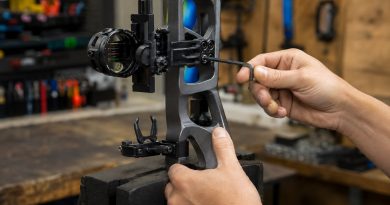
Checking your gear at home is a start. Things can change once you are in the woods. Before you take a shot look at your bow. Check for signs of damage that could affect how it works. Look at the string and cables for parts or worn places; check the limbs for cracks or any damage. For compound bows make sure the wheels are not broken and work right. For bows check that the limbs and string are in shape.
Don't forget about your arrows. They should be straight with nocks that fit tight and broadheads that are fixed. Make sure that accessories like sights rests and quivers are in the place. A sight that is not aligned can trick you about where the arrow will hit.
Avoid trying to fix your gear in the field if you think something is wrong-it is safer to be careful and take the bow out of use until you can fix it. Better to miss a chance than to send a shot that's not sure or risk breaking your gear while you draw.
Know the Boundaries Set by Local Regulations
choices in hunting start with knowing and following the rules. Laws include things like hunting times, types of animals when you can shoot and what equipment is allowed, which can be different in places and change over time. Always check the rules for your area. Make sure you know what is needed for the season not just rely on old information.
When looking at a hunting situation ask these three questions: Is the hunt allowed by the law? Is the equipment correct? Is the shot a choice? Meeting the first two does not mean the third is right. The laws say what is possible. Your skills and thinking decide what you should try.
Carry the papers you need. Remember that having a permit or a tag does not mean you can go beyond what's right. If anything feels not clear-like a line between land identifying the animal or the time you can shoot-. Fix it. If the rules are not clear ask the wildlife workers for help before you go out.
Regular Practice for Sound Decision-Making
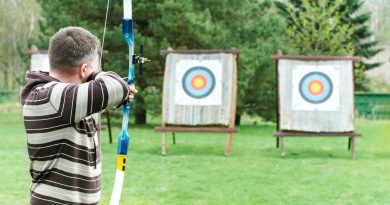
Practicing bowhunting should not just be about learning how to let an arrow go. Adding things that make real-life problems can help build choices when you're under pressure. At a place try distances, angles and light conditions. Start each practice with a decision to go or not go draw when you feel the conditions are right and let down when they are not.
Use. High places when you can always focusing on staying safe. The goal is to make it normal to let down of seeing it as a mistake-create a place in your mind where making good choices feels natural.
Find the things that make you not sure and try to hunt in situations that match what you have practiced. A good place to hunt is where you have shown you can do your archery without any doubt.
Embracing the Practice of Passing
Sometimes the right choices are not the ones. A deer may walk away the bow goes back to where it was. The hunter carefully puts the gear away or goes home. This result, even if it feels not very exciting is important for protecting the animal and making it easier to find the animal later by not rushing.
Before your time out spend time thinking about the pauses check the rules look at your gear. Get used to letting down in different situations. Making the choices is not about being brave when it's hard but, about knowing when a shot is not right.